

Key Takeaways
Brake Squeal
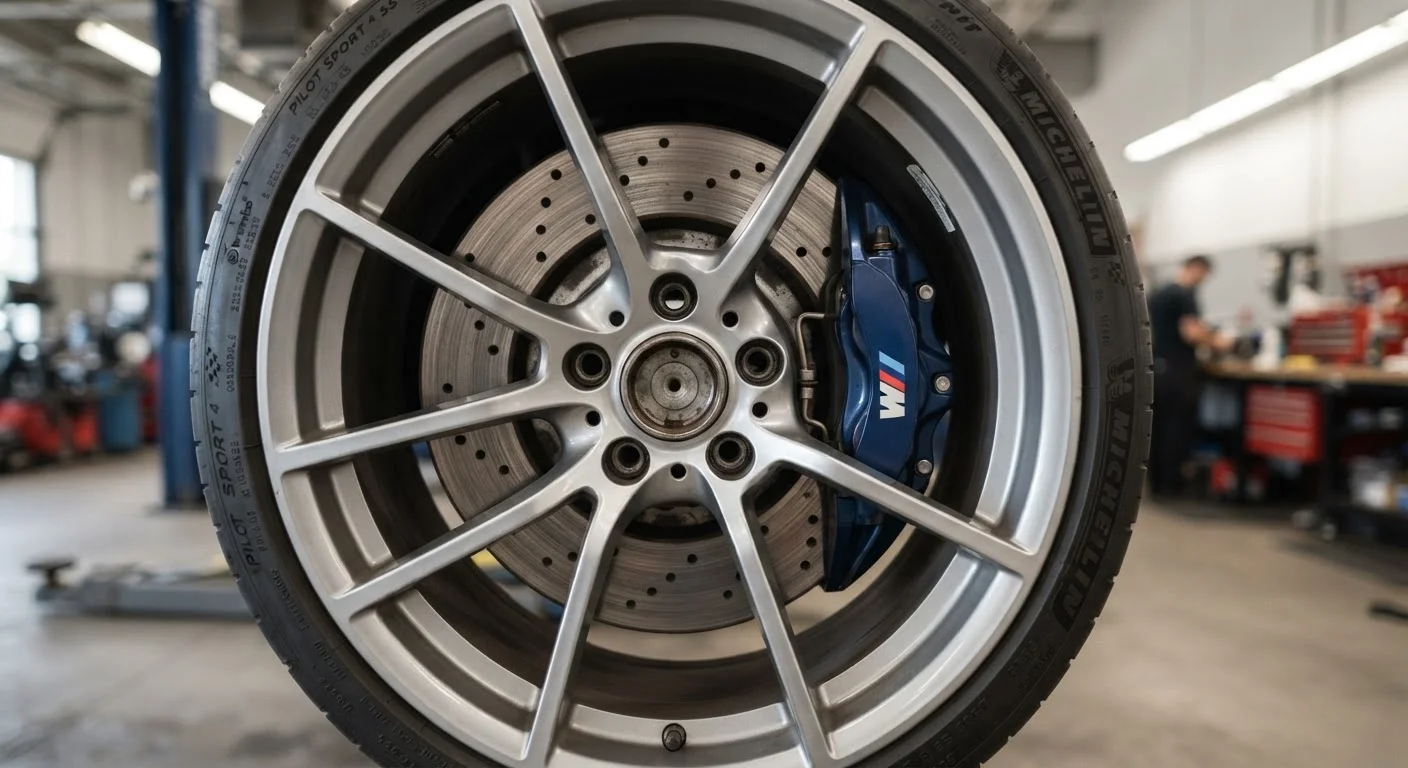
Brake squeal is a high-pitched noise produced when your brake pads make contact with the rotor. It can range from a brief morning chirp to a persistent screech that happens every time you slow down. While not every squeal signals danger, repeated or worsening noise is your vehicle's way of flagging a problem that deserves attention.
Most modern brake pads include a small metal wear indicator tab that contacts the rotor and emits a deliberate high-pitched tone when pad material has worn thin - typically signaling less than 2-3mm of friction material remaining.
The Most Common Causes of Brake Squealing
Brake noise falls into a few distinct categories, and each one tells a different story about what's happening inside your wheel.
Surface Rust (Usually Harmless)
Steel rotors oxidize overnight when exposed to moisture. That thin rust layer produces a scraping or squealing sound during your first few stops of the day. If it clears up within a mile or two, you can almost certainly ignore it.
Worn Brake Pads (Act Now)
This is the most common cause of persistent brake squeal. Manufacturers build a small metal tab - called a wear indicator - into the pad. Once the friction material wears down, this tab drags against the rotor and generates a deliberate, attention-grabbing squeal. It's designed to give you advance warning before the situation becomes dangerous.
Glazed Pads or Rotors (Requires Inspection)
Repeated hard braking without adequate cooling - common on steep mountain descents - can harden the pad surface and create a smooth, glassy finish on the rotor. Glazed components lose friction efficiency and often produce a high-pitched tone even with adequate pad material remaining. A mechanic can evaluate whether resurfacing or replacement is needed.
Foreign Material Between Pad and Rotor
Small stones or road debris occasionally lodge in the brake assembly and produce scraping or intermittent squealing. These may clear on their own, but debris that stays put can score the rotor surface and create a more expensive problem over time.
When Squealing Becomes a Safety Issue
Squealing pads are a warning. Grinding is an emergency. Understanding the difference matters.
Grinding Sounds
When pad material is completely gone, the metal backing plate contacts the rotor directly. This metal-on-metal grinding destroys both components quickly, dramatically reduces stopping power, and can compromise brake fluid lines and calipers if left unchecked. A vehicle making grinding noises should be inspected before further driving whenever possible.
Brake Pedal Pulsation
A vibrating or pulsating brake pedal - where the pedal feels like it's pumping back at your foot - usually points to warped rotors. Rotors can warp from thermal stress or uneven torque during wheel installation. Pulsation reduces consistent braking force and becomes a genuine safety concern at highway speeds.
Pulling to One Side
If your vehicle pulls left or right during braking, one caliper may be sticking - applying brake force unevenly. This reduces control during emergency stops and should be addressed promptly by a qualified mechanic.
What Brake Noise Is Telling You About Costs
Acting early on brake noise almost always costs less than waiting.
Pad replacement is a relatively routine expense. But if worn pads are left until metal-on-metal grinding begins, rotors typically need to be replaced as well - often doubling the repair bill. Calipers that seize due to neglected maintenance add further expense. The wear indicator squeal exists precisely to give drivers enough lead time to avoid these compounding costs.
If you're unsure what you're hearing, most independent repair shops and national chains will perform a brake inspection at little or no charge. Getting a professional assessment early is almost always the lower-cost path.
This article provides general educational information about vehicle brakes and is not a substitute for professional mechanical inspection. Always consult a qualified mechanic for diagnosis and repair of brake system concerns.