

Key Takeaways
Option A
Natural Sugar
Sugar that arrives packaged with nutrients.
Best for: People building a whole-food diet who want energy alongside fiber, vitamins, and minerals.
Option B
Added Sugar
Sugar incorporated during processing or preparation.
Best for: Understanding as a dietary metric to monitor - not a nutrient the body requires from processed sources.
If you're trying to reduce overall sugar intake
Focus on Added Sugar
Cutting added sugars targets empty-calorie sources without requiring you to restrict nutrient-dense whole foods like fruit or plain dairy.
If you're reading nutrition labels for health management
Added Sugar
The FDA's separate added sugar line on Nutrition Facts panels gives you a direct, actionable number to monitor against daily intake guidance.
If you're building a balanced, whole-food eating pattern
Natural Sugar
Foods containing natural sugars - fruits, vegetables, plain dairy - also deliver fiber, micronutrients, and water, making them a net nutritional positive for most people.
If you have a condition affecting blood sugar regulation
Consult a healthcare provider
Both natural and added sugars affect blood glucose; a registered dietitian or physician can offer guidance tailored to your specific health needs.
What Makes a Sugar 'Natural' or 'Added'?
The distinction isn't about chemistry - fructose in an apple and fructose in a soft drink are the same molecule. The difference is context and company.
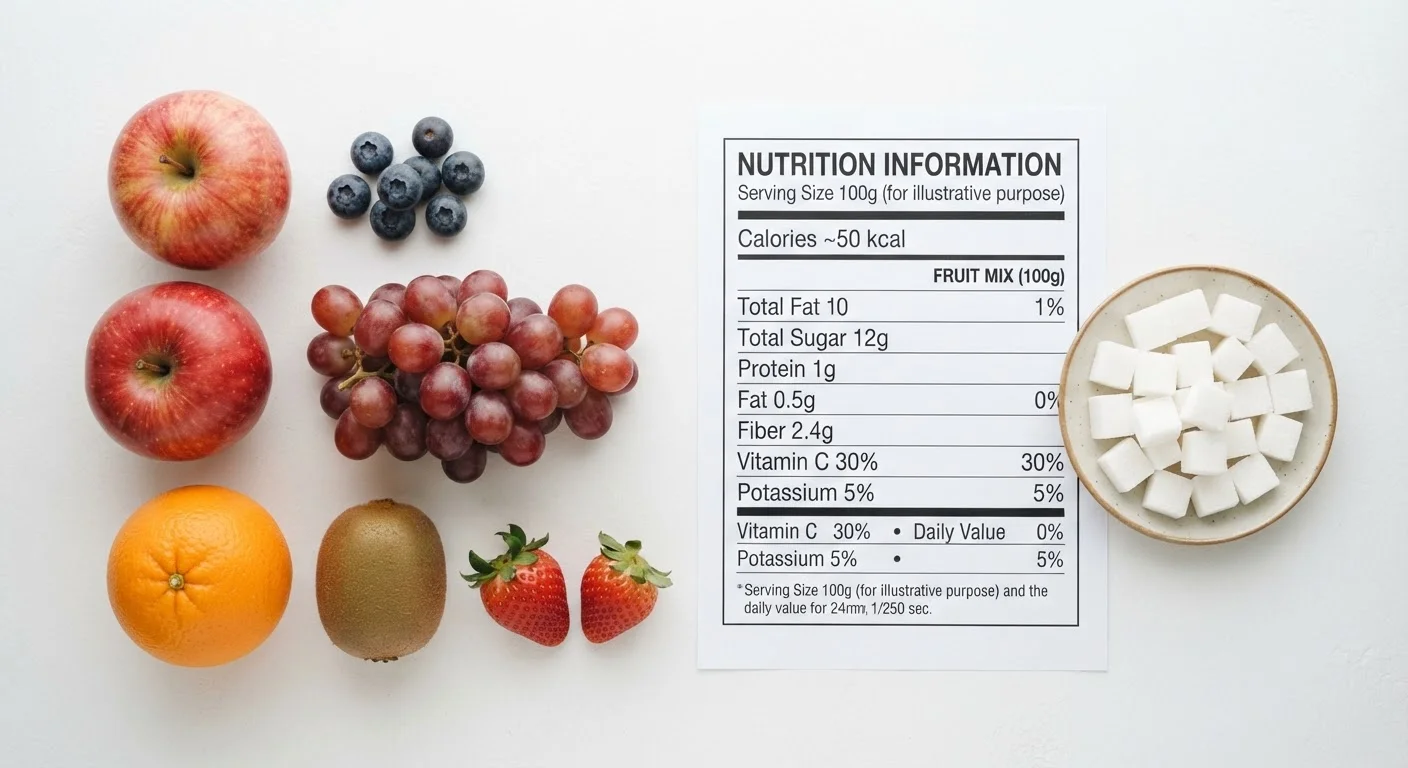
Natural sugars are those that occur intrinsically in whole, unprocessed foods. Lactose in milk, fructose in fruit, and glucose in vegetables all fall into this category. These sugars arrive alongside fiber, protein, water, vitamins, and minerals - a nutritional matrix that influences how the body absorbs and responds to them.
Added sugars, by contrast, are any sugars or caloric sweeteners incorporated into a food during processing, preparation, or manufacturing. This includes obvious sources like table sugar (sucrose) and high-fructose corn syrup, as well as less obvious ones like honey, agave nectar, fruit juice concentrate, and maple syrup - all of which count as added sugars when they're introduced into a product, even if they're perceived as more natural.
How the FDA Label Helps You
The US Food and Drug Administration (FDA) updated Nutrition Facts label requirements to include a dedicated Added Sugars line, expressed in grams and as a percentage of Daily Value. This labelling change, which took full effect for most manufacturers in 2021, makes it possible to distinguish at a glance how much sugar in a product was added versus naturally occurring - a meaningful shift for informed grocery decisions.
The US Food and Drug Administration (FDA) updated Nutrition Facts label requirements to include a dedicated Added Sugars line, expressed in grams and as a percentage of Daily Value. This makes it possible to distinguish at a glance how much sugar in a product was added versus naturally occurring.
Why the Nutritional Difference Matters
Eating a whole apple and drinking the equivalent sugar in a sweetened beverage produce meaningfully different physiological responses, even though both deliver fructose. The apple's fiber slows digestion, moderates the rise in blood glucose, and contributes to satiety. The beverage offers a rapid glucose spike with little to slow absorption or signal fullness.
This is why major dietary guidelines - including those from the Dietary Guidelines for Americans and the World Health Organization - specifically target added sugars for reduction, rather than restricting fruit or dairy. The evidence linking high added-sugar intake to increased risk of cardiovascular disease, weight gain, and metabolic disturbance is substantially stronger than any comparable evidence against whole-food natural sugars.
17 tsp
Average daily added sugar intake for US adults
According to CDC data, the average American adult consumes roughly 17 teaspoons of added sugar per day - well above the recommended limit.
10%
Recommended added sugar ceiling (of daily calories)
Both the Dietary Guidelines for Americans and the World Health Organization recommend limiting added sugars to less than 10% of total daily caloric intake.
~50%
Share of added sugar from beverages in the US diet
Research published in nutritional epidemiology literature consistently identifies sugar-sweetened beverages as the largest single source of added sugars in the American diet.
For practical comparison, see how the two types stack up across common nutritional and regulatory dimensions.
| Criterion | Natural Sugar | Added Sugar |
|---|---|---|
| Source | Occurs intrinsically in whole foods | Introduced during processing or preparation |
| Common examples | Lactose, fructose in fruit | Sucrose, high-fructose corn syrup, honey added to products |
| Accompanies fiber? | Yes, typically in whole-food form | Rarely - little to slow absorption |
| Nutrient density | High - vitamins, minerals present | Low - primarily calories only |
| FDA label disclosure | Included in total sugars only | Listed separately as Added Sugars |
| Dietary guideline target? | Not typically restricted | Limit to under 10% of daily calories |
For a related look at how food processing strips away protective nutrients, see our guide to whole grains vs. refined grains - the structural parallels are instructive.
Putting It Into Practice
Understanding the distinction helps you make more targeted choices without unnecessary restriction. A few grounding principles:
- Don't avoid fruit to cut sugar. Whole fruits, despite their natural sugar content, are consistently associated with positive health outcomes in the research literature.
- Read the added sugars line, not just total sugars. A food with 12g total sugars but 0g added sugars (e.g., plain yogurt) is nutritionally different from one with 12g of which 10g are added.
- Watch for added sugars under other names. Ingredient lists may show cane syrup, dextrose, malt syrup, or fruit juice concentrate - these all count as added sugars regardless of how they're labelled on the front of the pack.
- Consider the whole food pattern. Single-nutrient thinking can obscure the bigger picture; a dietary pattern rich in minimally processed whole foods tends to keep added sugar low without requiring strict tracking.
This article is for general informational and educational purposes only and is not a substitute for personalised medical or dietary advice. If you have specific health conditions or concerns about your diet, please consult a qualified healthcare professional or registered dietitian.