

Key Takeaways
Summary
18 items · 20-40 minutes
Why Readiness Matters Before You Hit the Pavement
The appeal of running is obvious: it requires no gym membership, minimal equipment, and can be done almost anywhere. But that low barrier to entry also means many people jump in without assessing whether their body is genuinely prepared for the demands of the sport.
Research published in sports medicine literature consistently shows that overuse injuries - stress fractures, shin splints, IT band syndrome - are among the most common complaints in new runners, and the majority are preventable. The culprit is rarely bad form on day one. It's an unprepared body exposed to sudden, repetitive loading stress.
This checklist is designed to close that gap. Think of it as a structured self-audit to run through before you lace up for the first time. If you're coming from a mostly sedentary lifestyle, our guide for sedentary adults starting movement is a valuable companion resource to read alongside this checklist.
Medical Clearance Is Not Optional for Everyone
If you have a history of heart disease, diabetes, chronic joint conditions, or have been physically inactive for an extended period, a pre-exercise evaluation by a healthcare provider is an important safety step - not a bureaucratic hurdle. Your provider can flag contraindications, recommend appropriate intensity levels, and help you set a starting point that matches your actual physiology rather than your ambitions.
This article is for general informational purposes only and is not a substitute for medical advice. If you have a chronic condition, recent injury, cardiovascular history, or are pregnant, consult a qualified healthcare professional before beginning any new exercise program.
What You'll Need to Work Through This Checklist
You don't need any special equipment to complete this readiness assessment, but a few items will make the process more accurate and useful.
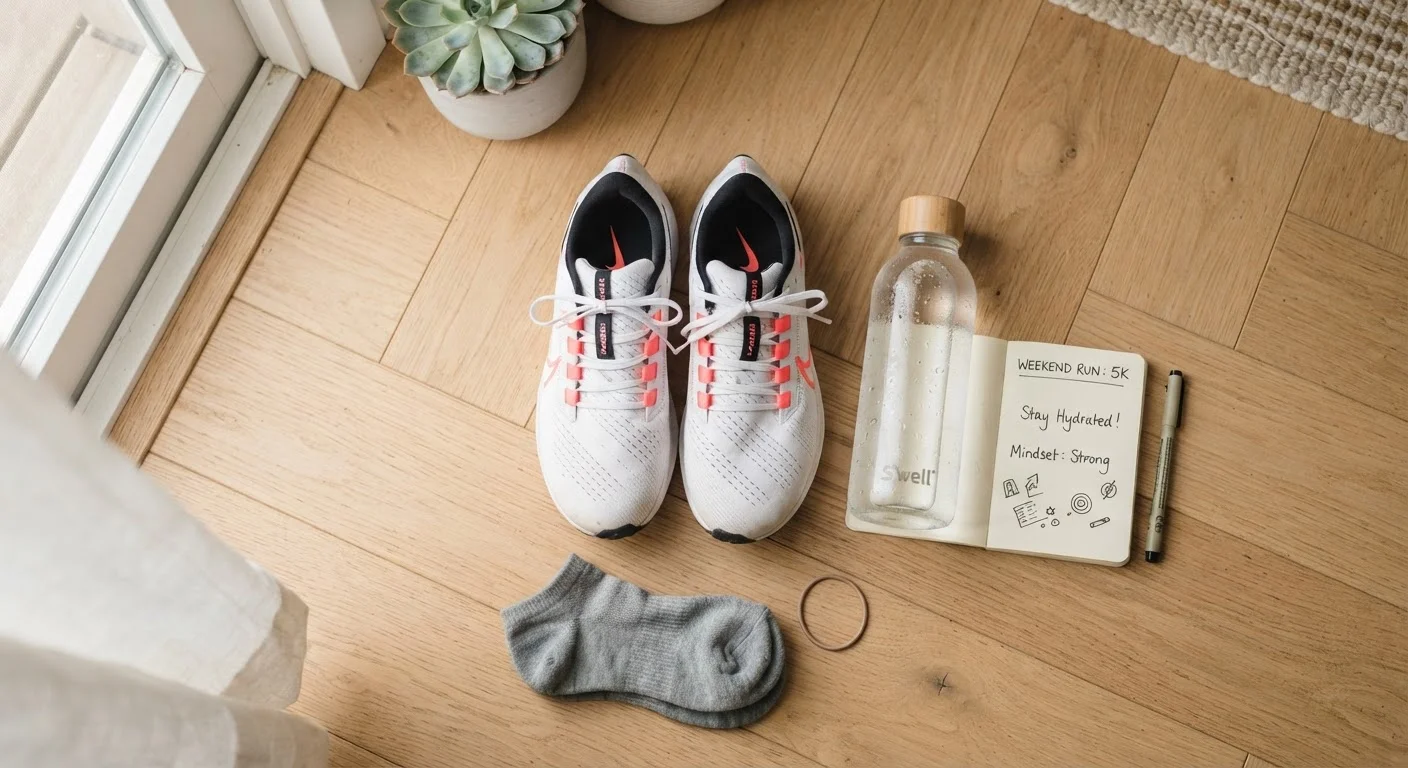
Supportive Running Shoes
Provides the cushioning and stability needed to absorb repetitive impact forces safely during your first runs.
Stopwatch or Fitness App
Tracks run-walk intervals and total session time so you can follow a structured beginner progression.
Water Bottle
Ensures access to hydration before, during, and after your session, particularly important in warmer conditions.
Notebook or Journaling App
Helps you log how each session felt - energy levels, any discomfort, and distance - so you can spot patterns early.
Foam Roller or Stretch Strap
Supports post-run muscle recovery and can help address the mobility deficits identified in this checklist.
Your Physical Readiness Checklist
Work through each group honestly. Items marked must are non-negotiable foundations; should items are strongly recommended; and nice-to-have items help you optimize from the start. Check off each one before heading out for run number one.
Medical & Health History
Cardiovascular Baseline
Joint Mobility & Strength
Gear & Equipment
Schedule & Recovery Planning
How to Use Your Results
If you cleared most must items, you're likely ready to begin a structured run-walk program - a widely recommended approach where you alternate short bouts of running with walking recovery periods, gradually increasing the running intervals over several weeks.
If you flagged several items - particularly in the medical history or joint mobility groups - treat those as action items, not roadblocks. Address mobility limitations with targeted stretching for one to two weeks. Schedule a check-in with your doctor if any cardiovascular or musculoskeletal concerns surfaced. Getting clearance first is the fastest route to consistent, long-term running.
Don't Skip the Footwear Step
Running in unsupportive or ill-fitting shoes is one of the most reliable ways to develop early overuse injuries, including plantar fasciitis and shin splints. Shoes that feel fine for walking may not provide enough structure for the three times your body weight in force that your joints absorb with every running stride. Replacing footwear before your first session - rather than waiting until pain appears - is strongly recommended.
Gear matters more than most beginners expect. Worn-out shoes or footwear not suited to your gait pattern are a leading driver of lower-limb injuries in new runners. Consider visiting a specialty running store for a basic gait assessment before your first session - this is a free service at many retailers.
Once you've cleared your checklist and completed your first few runs, consistency and gradual progression become your primary tools. The well-cited 10% rule - increasing weekly mileage by no more than 10% at a time - gives your connective tissue, bones, and cardiovascular system time to adapt without being overwhelmed.