

Key Takeaways
Pre-Purchase Inspection (PPI)
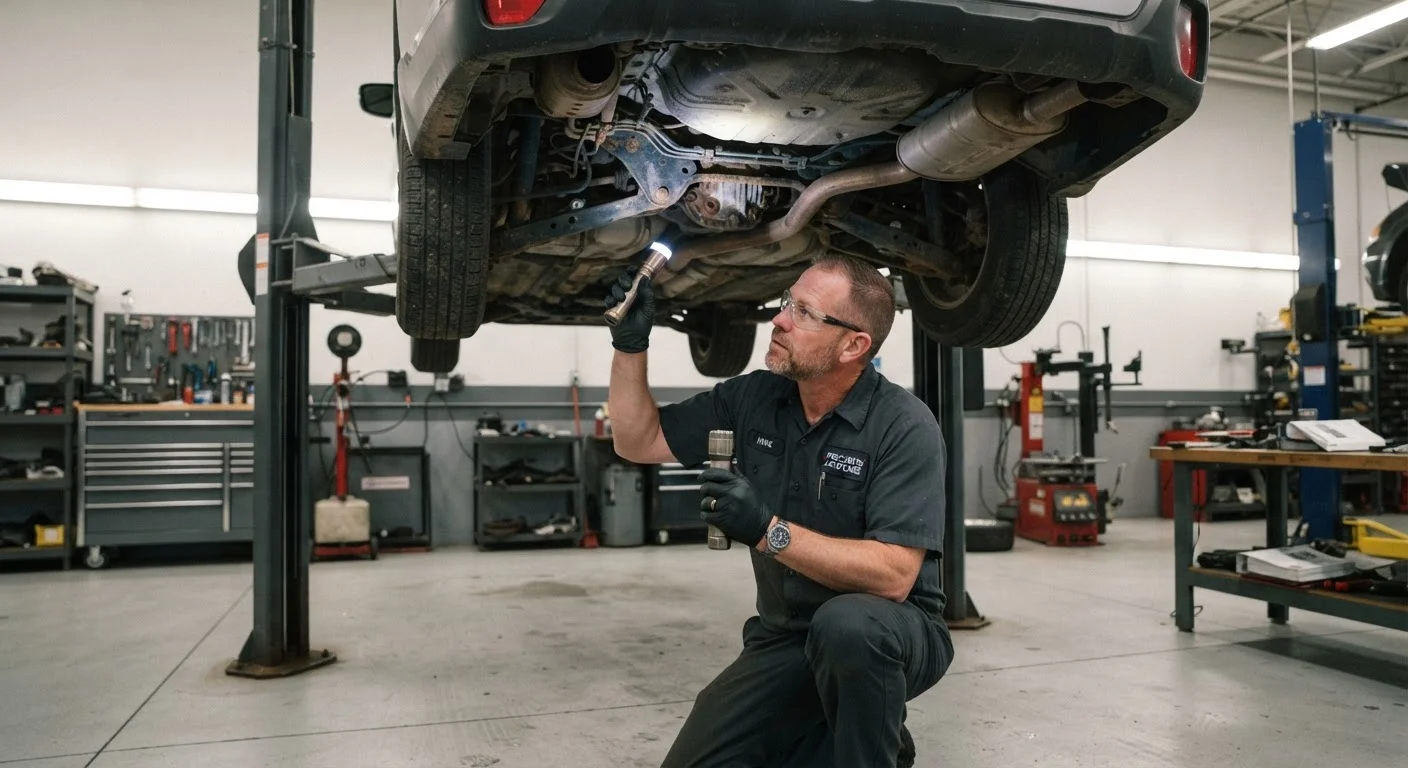
A pre-purchase inspection is an independent mechanical evaluation of a used vehicle conducted by a qualified mechanic before you agree to buy it. The mechanic checks the car's structure, mechanical systems, and overall condition to identify existing problems or signs of future failure. The goal is to give you an objective picture of what you're buying - not what the seller is telling you.
A PPI is distinct from a vehicle history report: the report covers ownership and accident records, while the inspection assesses the car's current physical and mechanical state. Both together give a more complete picture.
Why an Independent Inspection Matters
A used car is only worth what it's actually in - not what the listing says it's in. Sellers, whether private individuals or dealerships, have a financial interest in presenting the vehicle positively. An independent mechanic has no stake in the sale and can give you an unfiltered assessment.
Before scheduling an inspection, it's worth pairing it with a vehicle history report. That report tells you about past ownership, accidents, and title issues, but it can't tell you whether the engine mounts are cracked or the brake rotors are warped. The PPI fills that gap. See our guide to reading a vehicle history report for help interpreting what those records actually mean.
The mechanic's job during a PPI is to document what they find - not to tell you whether to buy the car. That decision stays with you, informed by their findings.
What the Mechanic Actually Checks
A thorough PPI covers several major systems. Here's what a qualified mechanic will typically evaluate:
- Body and frame: Signs of rust, accident repair, misaligned panels, or evidence of structural damage. Fresh paint in isolated areas often signals prior bodywork.
- Engine: Leaks, belt and hose condition, coolant and oil quality, signs of overheating such as a warped head gasket, and whether the engine starts cleanly and runs smoothly.
- Transmission and drivetrain: Smooth shifting, no slipping or hesitation, fluid condition, and - on all-wheel-drive vehicles - transfer case and differential health.
- Brakes: Pad thickness, rotor condition, brake fluid quality, and whether the parking brake holds.
- Suspension and steering: Worn bushings, ball joints, tie rods, or shocks - problems that affect handling and tire wear.
- Tires: Tread depth, even wear patterns, and sidewall condition. Uneven wear often points to alignment or suspension issues.
- Electrical systems: Lights, windows, HVAC, infotainment, and any warning lights on the dashboard.
- Undercarriage: Frame integrity, exhaust condition, and any signs of leaks from the engine, transmission, or differential.
- OBD-II scan: A scan of the vehicle's onboard diagnostic port can reveal stored fault codes, including codes that have been cleared recently - a tactic sometimes used to hide known problems.
$100-$200
Typical PPI cost at an independent shop
Industry estimates from automotive consumer advocacy groups consistently place standard PPI pricing in this range for most passenger vehicles.
77%
Used cars with at least one uncorrected defect
According to CarFax research cited in consumer automotive reporting, a significant majority of used vehicles inspected have at least one open recall or unresolved issue.
$3,000+
Average cost of a major hidden repair post-purchase
Transmission failures, engine issues, and structural damage are among the most common costly surprises found after a used-car purchase without prior inspection.
How to Use the Inspection Report
Ask for the findings in writing, with photos where possible. A good mechanic will categorize items by urgency - what needs fixing immediately versus what can wait - and estimate repair costs for each. This written report has real monetary value: it's a negotiating tool.
If the inspection surfaces $1,200 in needed repairs on a car priced at $9,500, you have solid grounds to request a price adjustment or ask the seller to address specific items before closing the deal. If the issues are severe - a cracked frame, a failing transmission, flood damage - you have clear grounds to walk away entirely.
Once you own the car and any repair work gets underway, knowing how to read what you're being charged is just as important. Our guide to interpreting a repair estimate breaks down labor charges, parts costs, and line items so you can ask the right questions before approving any work.
Practical Steps Before You Book the Inspection
Choose a mechanic who has no relationship with the seller. Independent shops unaffiliated with the dealership or private seller are the right call. If the vehicle can't be driven to a shop, ask whether the mechanic does on-site inspections - some do.
Be upfront with the seller about your intent. Frame it as standard practice, which it is. A seller who becomes evasive or tries to rush the timeline when an inspection is mentioned warrants extra caution.
After you've bought the car and settled into ownership, building a proactive maintenance habit protects the investment. The annual car cost audit checklist is a useful tool for tracking where your maintenance dollars are going year over year.