

Key Takeaways
Why Good Intentions Don't Always Equal Good Outcomes
Most pet owners making care mistakes aren't negligent - they're trying to do right by their animals. The problem is that some widely practiced habits are based on human logic, outdated advice, or simple misreading of what a pet actually needs. Understanding why certain habits backfire is the first step toward correcting them without guilt.
The mistakes outlined here are common precisely because they feel natural. Overfeeding feels generous. Frequent bathing feels hygienic. Ignoring behavioral quirks feels like patience. But pets communicate health problems through subtle changes in behavior, appetite, and physical condition - and inadvertent habits can muffle those signals or make underlying problems worse.
Bathing pets too frequently in an effort to keep them clean and odor-free.
Why it happens: Owners associate cleanliness with health, and a pet that smells or looks dirty naturally prompts more washing. Some follow human bathing logic rather than species-specific guidance.
Skipping or spacing out annual wellness exams to save time or money.
Why it happens: When a pet appears healthy, owners often see vet visits as unnecessary. The cost and logistics of appointments can also lead to "we'll go if something comes up" thinking.
Free-feeding - leaving food out all day - under the assumption that pets will self-regulate.
Why it happens: It's convenient, and owners worry their pet might go hungry. It also feels like a generous, low-stress approach to feeding.
Sharing table scraps as a form of bonding or as an occasional treat.
Why it happens: Feeding a pet from your plate feels affectionate, and it's hard to resist a begging animal. Owners often assume that if a food is safe for humans, it's safe for pets.
Dismissing behavioral changes as stubbornness, boredom, or a personality quirk.
Why it happens: Behavioral explanations are intuitive and don't require a vet appointment. Owners may also normalize gradual changes because they develop slowly over weeks or months.
Neglecting dental hygiene because pets seem unbothered by their teeth.
Why it happens: Dental disease develops slowly and pets rarely show obvious pain, so owners don't realize there's a problem. Tooth brushing also feels awkward or difficult to establish as a routine.
This article is for general informational and educational purposes only. It is not a substitute for professional veterinary advice, diagnosis, or treatment. Always consult a licensed veterinarian with questions about your pet's health.
Building Habits That Support, Not Undermine, Your Pet's Health
Correcting these habits doesn't require a complete overhaul of your routine - it mostly requires small, deliberate adjustments and a clearer sense of what your pet's normal looks and feels like.
80%
Dogs with dental disease by age 3
According to the American Veterinary Dental College, most dogs show signs of periodontal disease by their third birthday - a condition largely preventable with consistent home care and professional cleanings.
59%
US pets classified as overweight or obese
The Association for Pet Obesity Prevention has consistently found that more than half of dogs and cats in the United States carry excess body weight, often linked to free-feeding and over-treating.
Two of the most impactful shifts any owner can make are moving to scheduled, measured meals and committing to annual veterinary exams. Both create baselines. Meal schedules let you notice when appetite drops. Regular exams give your vet a health baseline to compare against year over year - which is how early-stage kidney disease, thyroid changes, and dental disease get caught in time to treat effectively. If your pet is entering their senior years, consider how their care needs are shifting by reviewing our guide on how senior pets age differently.
Behavioral Shifts Can Signal Medical Problems
If your pet suddenly becomes withdrawn, aggressive, or stops using the litter box, resist the urge to treat it as a discipline issue. These changes are often the first visible signs of pain, illness, or neurological change. A veterinary evaluation should come before any behavioral intervention. See our guide to behavioral changes that warrant a vet visit for specific warning signs.
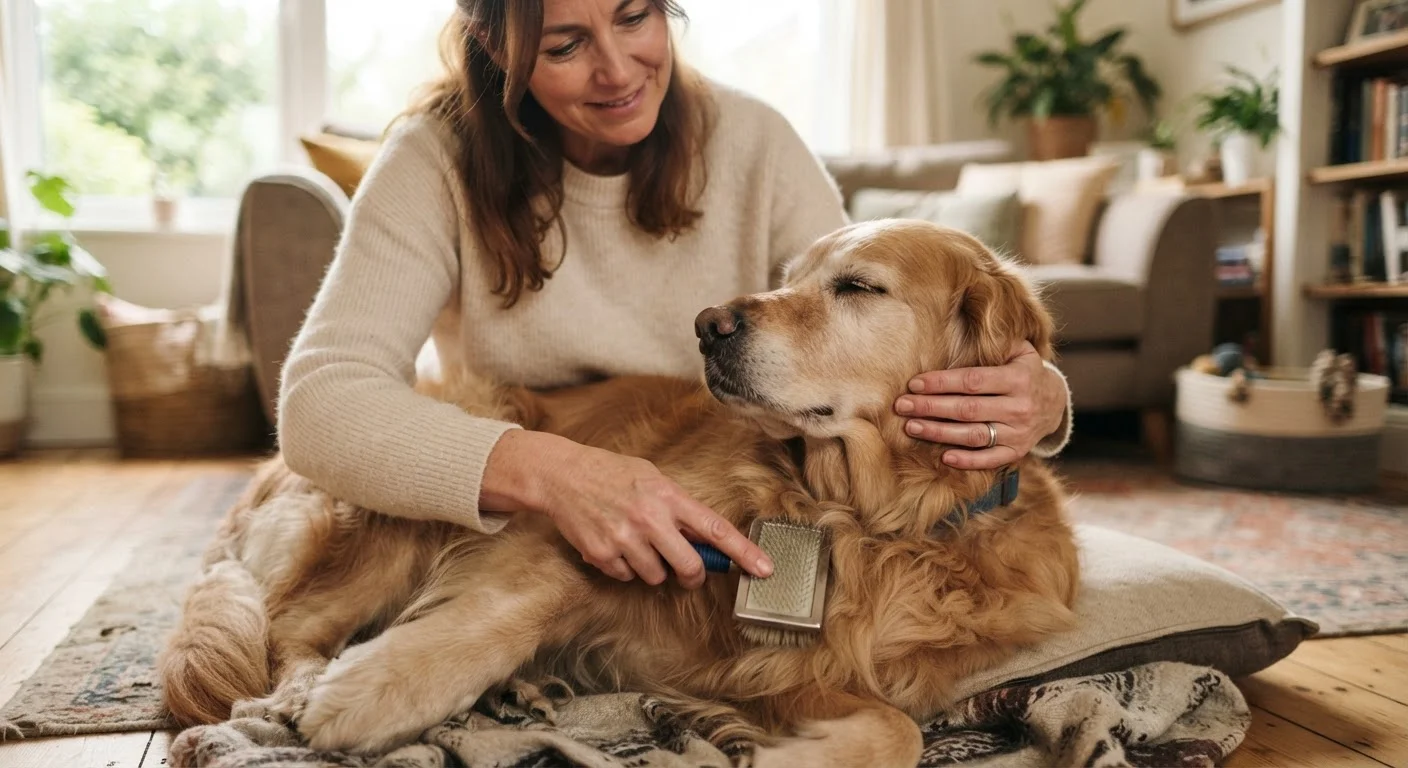
Finally, use grooming sessions as health checks. Running your hands over your pet's coat, checking ears, and inspecting the skin takes only a few minutes but can surface lumps, parasites, or irritation well before they become serious. For a structured approach, our grooming-as-wellness guide walks through exactly what to look for. Pair attentive home observation with consistent professional care, and you give your pet a meaningful advantage.
Human Food Is Not Always Safe to Share
Many common household foods - including grapes, onions, xylitol-sweetened products, and certain nuts - are genuinely toxic to dogs and cats. Even foods that seem neutral, like plain cooked chicken with seasoning, can contain harmful compounds. Before offering any human food as a treat, consult your veterinarian and review our reference guide to foods toxic to pets.