

Key Takeaways
The Real Math Behind "Saving" on Maintenance
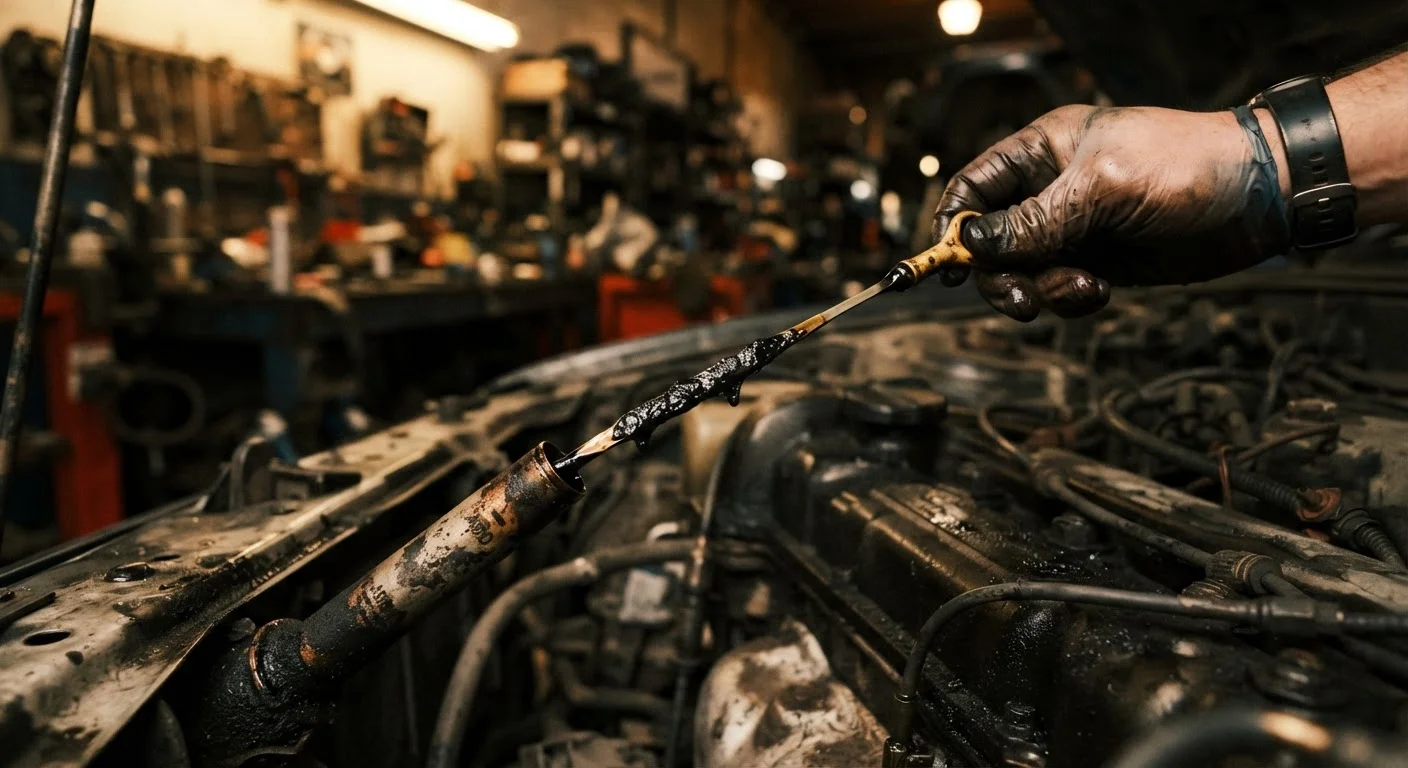
Skipping an oil change to save $60 feels like a win - until a sludged engine costs $4,000 to rebuild. That's not a worst-case hypothetical; it's a pattern mechanics see routinely. Deferred maintenance is one of the most reliably expensive decisions a driver can make, precisely because the costs are invisible right up until they aren't.
The issue isn't just any single skipped service. It's that maintenance delays tend to compound. Dirty oil accelerates engine wear. Worn brake pads damage rotors. Low coolant leads to overheating, which warps cylinder heads. Each neglected item raises the failure risk of connected components - and connected components are often far more expensive to replace.
For a fuller picture of how vehicle costs stack up beyond the repair shop, see how depreciation factors into total ownership cost. Maintenance neglect can also accelerate the depreciation curve, reducing resale value when you eventually sell or trade.
$4,000+
Typical engine rebuild cost from oil neglect
Industry repair data consistently shows engine sludge and bearing damage - both linked to infrequent oil changes - rank among the most expensive non-collision repairs.
5-10×
Cost multiplier: repair vs. prevention
Automotive industry estimates generally put the cost of repairing neglect-driven failures at five to ten times the price of the maintenance that would have prevented them.
40%
Of drivers delay recommended maintenance
Surveys by automotive research organizations have found a significant share of US drivers regularly postpone at least one recommended maintenance service.
Common Mistakes Drivers Make - and How to Stop Making Them
Most deferred maintenance doesn't happen out of carelessness. It happens because the car still seems to be running fine, the service reminder is easy to dismiss, or the timing genuinely isn't convenient. Understanding why these delays happen is the first step to breaking the pattern.
Treating oil change intervals as rough suggestions rather than hard deadlines.
Why it happens: The car continues to run normally past the service date, which makes the deadline feel arbitrary. Drivers rationalize a few hundred extra miles repeatedly until "a little over" becomes thousands of miles overdue.
Ignoring dashboard warning lights to avoid an unplanned repair bill.
Why it happens: Warning lights often appear at inconvenient times, and without knowing the severity, drivers gamble that it's a minor sensor issue. Delaying a diagnosis feels like managing cost; it usually increases it.
Skipping tire rotations and pressure checks until tires show visible wear.
Why it happens: Tires appear fine to the naked eye long after uneven wear patterns have begun. Rotation feels optional because the car handles normally - until a blowout or a $600 early replacement.
Delaying brake inspections until the squeal becomes a grind.
Why it happens: Brake squeal is easy to dismiss as a temporary noise, especially if it stops after the first few stops in the morning. By the time grinding starts, the pads are gone and rotor damage has begun.
Forgetting coolant, transmission fluid, and other fluids that don't have a simple mileage reminder.
Why it happens: Oil change reminders are prominent; other fluid intervals are buried in the owner's manual and rarely mentioned by quick-lube services. Out of sight, out of mind - until overheating or transmission slippage occurs.
If you're weighing how to fit maintenance into your routine, comparing DIY vs. shop oil changes can help you find the most practical option for your schedule and budget. And for a broader view of which services cause the most damage when skipped, the maintenance tasks drivers delay most often is worth reading alongside this article.
"It's Still Running Fine" Is a Dangerous Signal
Internal engine and drivetrain damage often produces no obvious symptoms until failure is imminent or already occurring. By the time you hear knocking, see smoke, or notice a warning light, significant damage may already be done. Absence of symptoms is not the same as absence of a problem - this is exactly why scheduled preventive maintenance exists.
Building a Maintenance Habit That Sticks
The most reliable way to avoid deferred maintenance is to remove decision-making from the equation. Set calendar reminders based on your manufacturer's service intervals - not mileage guesses or "when it feels due." Most modern vehicles display a service reminder on the dashboard; treat it as a hard deadline, not a suggestion.
Pair oil changes with quick visual checks: tire pressure, fluid levels, brake pad thickness, and any unusual sounds or warning lights. This takes under ten minutes and catches the developing problems that turn into large repair bills. The car maintenance hub has practical guides for each of these checks if you want step-by-step detail.
On the cost side, routine maintenance and fuel efficiency are closely linked - a well-maintained engine uses fuel more efficiently. See strategies for keeping fuel costs down over a vehicle's life for maintenance-adjacent habits that reduce what you spend at the pump. If your vehicle is already high-mileage, understanding the tradeoffs past 100,000 miles can help you decide where continued maintenance investment makes sense.
The bottom line: staying on schedule is almost always cheaper than catching up after a failure. Treat maintenance as an operating cost - predictable and manageable - rather than a financial emergency waiting to happen.