

Key Takeaways
Vehicle Maintenance Schedule
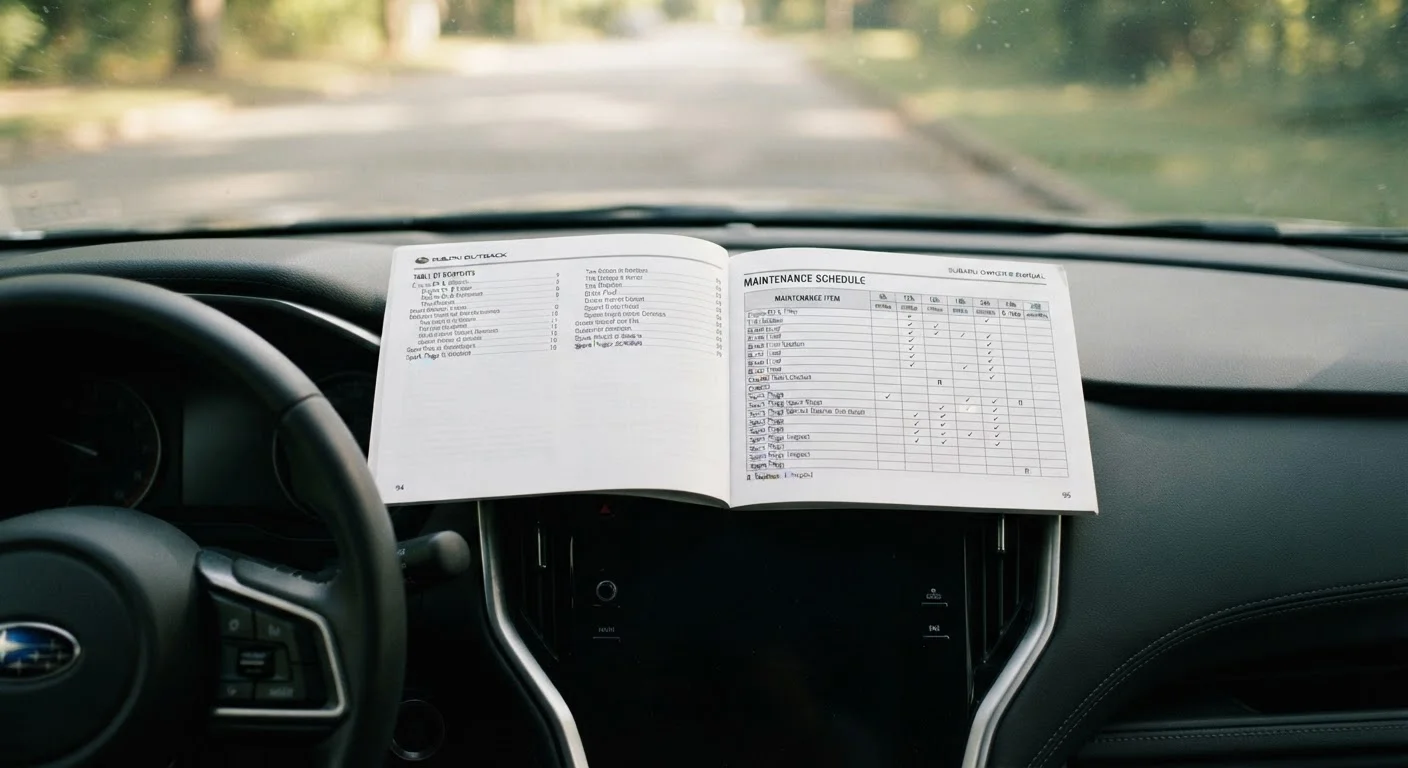
A vehicle maintenance schedule is the manufacturer's recommended timeline for inspecting, replacing, or servicing specific components on your car. It's typically organized by mileage intervals (such as every 5,000, 30,000, or 60,000 miles) and sometimes by time elapsed. Following it helps prevent breakdowns, protects your warranty, and extends the usable life of the vehicle.
Modern vehicles may use an oil life monitoring system or condition-based service alerts rather than fixed mileage intervals - always cross-reference dashboard alerts with the printed schedule in your owner's manual.
What a Maintenance Schedule Actually Is
Every vehicle comes with a factory-defined list of services tied to specific mileage or time thresholds. This isn't a suggestion - it's an engineering document based on how components wear under normal operating conditions. The schedule covers everything from oil changes and tire rotations to spark plug replacement, transmission fluid, and timing belt intervals.
The key distinction most drivers miss: there are usually two tracks - a normal schedule and a severe-duty schedule. Normal applies to mostly highway driving in moderate climates. Severe applies if you frequently make short trips, idle in traffic, drive in extreme heat or cold, tow loads, or operate in dusty conditions. Many US drivers technically qualify for the severe-duty track without realizing it.
If you've never actually read your owner's manual's maintenance section, it's worth ten minutes. It's the only source that's specific to your vehicle's engine, transmission, and drivetrain combination. For a practical starting point, our guide to getting started with car maintenance walks through what a new-to-maintenance driver needs to know first.
How Mileage Intervals Work - and Why Time Matters Too
Maintenance schedules are primarily organized around odometer milestones: commonly 5,000, 7,500, 15,000, 30,000, 60,000, and 90,000 miles. Each threshold triggers a different set of tasks. An oil change might fall every 7,500 miles while brake fluid replacement might not appear until 45,000 miles - they're separate counters running simultaneously.
Time intervals matter equally for low-mileage drivers. If your car only accumulates 5,000 miles per year, you still need certain services on a calendar basis - coolant, brake fluid, and some belts degrade chemically over time regardless of mileage. A vehicle sitting at 20,000 miles after five years likely needs more attention than the odometer alone suggests.
7,500-10,000 mi
Typical modern synthetic oil change interval
Many current vehicle models using full synthetic oil are rated for intervals well beyond the traditional 3,000-mile rule, according to manufacturer specifications.
$1,200+
Average timing belt replacement cost if engine damage occurs
Industry repair data consistently shows that a neglected timing belt failure can result in repair bills exceeding $1,200-$4,000 depending on engine type, compared to a routine belt replacement costing a fraction of that.
30%
Drivers who qualify for severe-duty schedule
Estimates from automotive industry sources suggest a significant share of US drivers meet at least one severe-duty criterion due to stop-and-go commutes, short trips, or extreme climate conditions.
Missing an interval because of low mileage is one of the more common and costly misunderstandings. The schedule's time trigger (often expressed as "whichever comes first - X miles or X months") exists precisely for this reason.
Key Services at Major Milestones
While your owner's manual is the final word, here's what typically appears at common intervals for most passenger vehicles:
- Every 5,000-10,000 miles: Oil and filter change, tire rotation, visual inspection of brakes and fluid levels.
- Every 15,000-30,000 miles: Air filter replacement, cabin air filter, inspect belts and hoses, check brake pad thickness.
- Every 30,000-60,000 miles: Transmission fluid, coolant flush, spark plugs (on some engines), fuel filter on older vehicles.
- Every 60,000-90,000+ miles: Timing belt (where applicable - many modern engines use a chain instead), brake fluid flush, power steering fluid, inspect suspension components.
The services that get skipped most often - timing belts, coolant flushes, and transmission fluid - also tend to cause the most expensive cascading failures when neglected. Our article on the maintenance tasks drivers delay most goes deeper on why these specific items matter.
Check Fluids Between Service Visits
You don't have to wait for a scheduled service to verify fluid levels. Checking engine oil, coolant, and brake fluid takes under five minutes and can catch a developing problem early. Our walkthrough on the six fluids every driver should know shows exactly how to do it safely.
Keeping Records and Using Them
A completed service record does two things: it proves to future buyers that the car was maintained, and it gives any mechanic a clear baseline when diagnosing new problems. A vehicle with documented maintenance history commands stronger resale value and avoids the guesswork that drives up diagnostic costs.
You don't need anything elaborate - a paper folder with receipts, a simple spreadsheet, or a note in your phone's calendar works. Include the date, mileage, what was done, and who did it. If you handle some tasks yourself, note those too.
When a shop hands you an estimate for additional recommended services, your records let you verify whether that service is actually due. For help reading what a shop puts in front of you, see our guide on interpreting a repair estimate.
For drivers past 100,000 miles, the schedule becomes even more consequential - components that were borderline at 80,000 miles may now need attention. Our coverage of high-mileage vehicle ownership addresses the tradeoffs involved in keeping an older car on the road.