

Key Takeaways
Grow almost anywhere with outdoor space
Containers remove the need for in-ground soil entirely, making gardening viable on concrete patios, balconies, and rooftops that would otherwise be unusable for plants.
Complete control over soil quality
You fill each container with the mix your plants need from day one, bypassing the time and cost of amending poor native soil. This is especially valuable where ground soil is compacted, alkaline, or contaminated.
Mobility lets you optimize plant conditions
You can move containers to chase sunlight through the season, shelter plants from frost, or protect sensitive species from extreme heat - flexibility no in-ground planting offers.
Easier to manage pests and weeds
A contained growing environment limits weed seed introduction and makes pest problems easier to spot and address before they spread to neighboring plants.
Manageable scale for beginners
A container garden can start with just a few pots, making it a lower-stakes way to build skills before committing to a larger in-ground or raised-bed setup.
Frequent watering is non-negotiable
Limited soil volume means containers dry out quickly - sometimes within a single hot day. This demands consistent attention and can be a real burden during travel or heat waves.
Nutrients deplete faster than in-ground soil
Watering leaches fertilizer out of the pot regularly, so container plants require supplemental feeding throughout the growing season to maintain healthy growth and production.
Startup and ongoing costs add up
Quality pots, potting mix, and fertilizer represent real expenses that accumulate over time, particularly as you replace degraded mix each season and expand your collection of containers.
Root space limits plant size and yield
Large or deep-rooted plants - full-size fruit trees, sprawling squash, or sweet corn - simply can't develop properly in most containers, capping the range of what's practical to grow.
Temperature extremes stress container roots
Unlike in-ground soil, which insulates roots from temperature swings, the sides of a pot heat up quickly in summer and freeze faster in winter, putting plants at greater risk in extreme climates.
Our Verdict
Container gardening is a genuinely useful approach for renters, urban dwellers, and anyone working with limited or poor-quality ground. It delivers real control over soil conditions and plant placement, but it demands more attentive watering and feeding than most beginners expect. Go in with realistic expectations and it rewards the effort.
Best for renters, apartment dwellers, or gardeners with paved or compacted outdoor spaces who want to grow herbs, vegetables, or ornamentals without access to in-ground soil.
Why Containers Appeal to So Many Gardeners
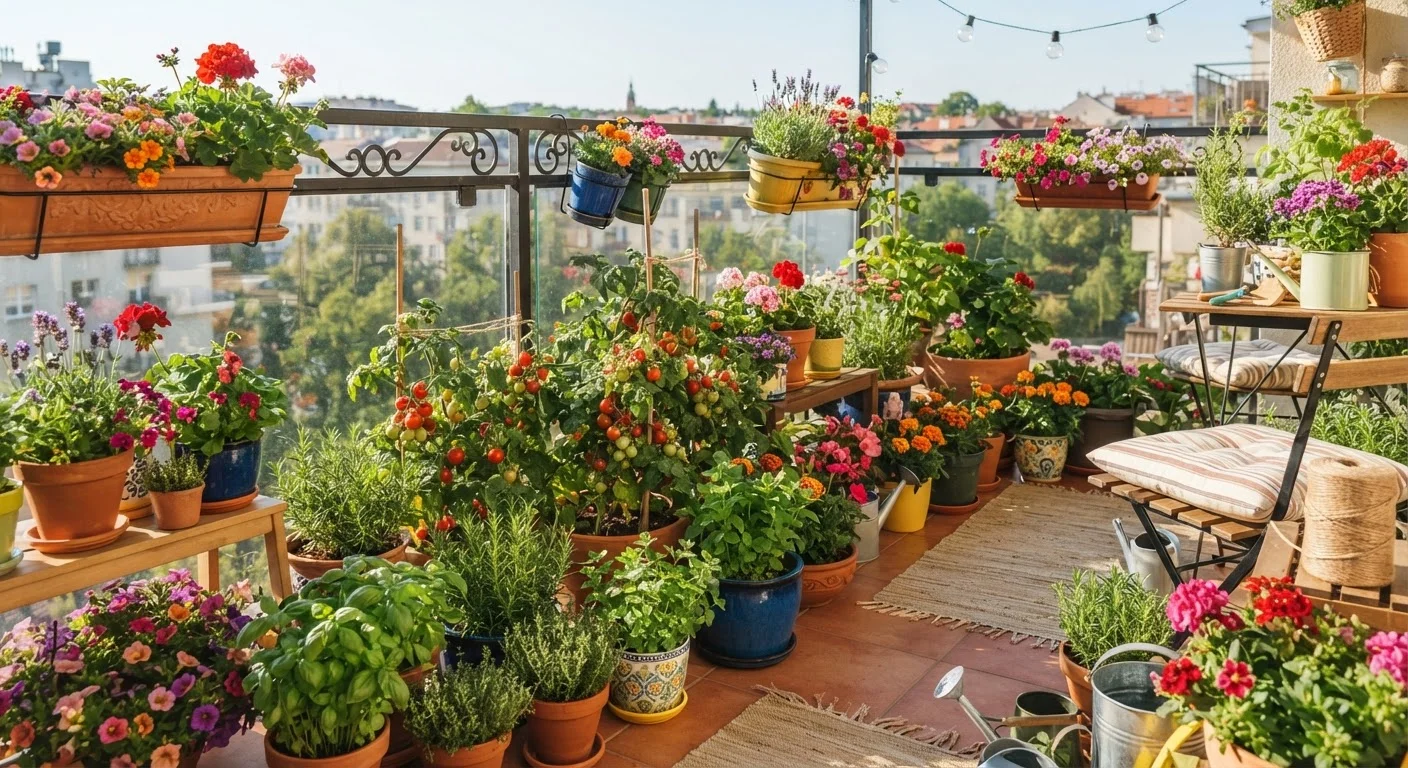
For anyone without a proper yard - or with ground that's compacted, contaminated, or heavily shaded - containers offer a practical entry point into gardening. A single pot of basil on a windowsill is technically container gardening, but the approach scales up considerably: balconies, patios, rooftops, driveways, and even fire escapes (where local codes allow) can all support container plantings.
The appeal goes beyond space constraints. Containers give you precise control over soil quality from the very beginning. Rather than amending dense clay or rocky earth, you fill a pot with a mix tailored to your plant. That's a meaningful advantage, especially for anyone just getting started with gardening and not yet ready to tackle large-scale soil improvement.
Mobility is another underappreciated benefit. If a late frost threatens your tomatoes, you move them inside. If a corner of your patio gets too much afternoon sun, you shift the pot. That flexibility is simply unavailable to in-ground and most raised-bed growers.
Grow almost anywhere with outdoor space
Containers remove the need for in-ground soil entirely, making gardening viable on concrete patios, balconies, and rooftops that would otherwise be unusable for plants.
Complete control over soil quality
You fill each container with the mix your plants need from day one, bypassing the time and cost of amending poor native soil. This is especially valuable where ground soil is compacted, alkaline, or contaminated.
Mobility lets you optimize plant conditions
You can move containers to chase sunlight through the season, shelter plants from frost, or protect sensitive species from extreme heat - flexibility no in-ground planting offers.
Easier to manage pests and weeds
A contained growing environment limits weed seed introduction and makes pest problems easier to spot and address before they spread to neighboring plants.
Manageable scale for beginners
A container garden can start with just a few pots, making it a lower-stakes way to build skills before committing to a larger in-ground or raised-bed setup.
Where Container Gardening Falls Short
The limitations of container gardening are real and worth understanding before you invest in pots, potting mix, and plants. The most consistent challenge is watering. A container's limited soil volume dries out far faster than in-ground soil - in hot weather, some pots need water daily. Miss a couple of days and stress sets in quickly, especially for vegetables.
Nutrients leach out of containers with every watering, so container plants need regular fertilizing - typically every two to four weeks during the growing season - to stay productive. In-ground plants can draw on a larger reserve of soil nutrients and microbial activity that containers simply can't replicate at scale. For a deeper look at how soil composition affects plant nutrition, see our guide on understanding soil pH, texture, and drainage.
Cost is another sticking point. Quality pots and a good potting mix represent a real upfront investment, and potting mix typically needs refreshing or replacing every season or two. Compare this to an in-ground bed or even a raised bed, which amortizes its cost differently - our raised beds vs. in-ground comparison breaks that down in more detail.
Frequent watering is non-negotiable
Limited soil volume means containers dry out quickly - sometimes within a single hot day. This demands consistent attention and can be a real burden during travel or heat waves.
Nutrients deplete faster than in-ground soil
Watering leaches fertilizer out of the pot regularly, so container plants require supplemental feeding throughout the growing season to maintain healthy growth and production.
Startup and ongoing costs add up
Quality pots, potting mix, and fertilizer represent real expenses that accumulate over time, particularly as you replace degraded mix each season and expand your collection of containers.
Root space limits plant size and yield
Large or deep-rooted plants - full-size fruit trees, sprawling squash, or sweet corn - simply can't develop properly in most containers, capping the range of what's practical to grow.
Temperature extremes stress container roots
Unlike in-ground soil, which insulates roots from temperature swings, the sides of a pot heat up quickly in summer and freeze faster in winter, putting plants at greater risk in extreme climates.
What Actually Grows Well in Containers
Success in container gardening depends heavily on matching plants to pot size and conditions. Herbs - basil, parsley, chives, mint - are among the most reliably productive container plants and can grow in relatively small pots. Compact vegetable varieties labeled 'bush,' 'patio,' or 'dwarf' have been specifically bred for restricted root zones.
Cherry tomatoes, peppers, lettuce, spinach, radishes, and bush beans all perform well in containers of adequate size (generally 5 gallons or more for fruiting vegetables). Shallow-rooted crops like lettuce can work in window boxes and troughs. Avoid large, sprawling plants - full-size indeterminate tomatoes, winter squash, or corn - unless you have very large containers and are prepared for intensive watering and feeding.
Container Size Matters More Than You Think
Underpotting is one of the most common container gardening mistakes. A pot that's too small restricts root development, causes soil to dry out even faster, and limits the nutrients available to the plant. When in doubt, size up - a larger container is almost always more forgiving than a smaller one. Most fruiting vegetables need at least 5 gallons; larger plants like full-size peppers or eggplant benefit from 10 gallons or more.
Ornamentals and perennials also thrive in containers. Many gardeners combine flowering annuals and trailing plants in mixed pots for visual impact on patios or entryways. For low-maintenance options, see our overview of resilient plants that tolerate neglect.
Practical Tips to Improve Your Results
A few fundamentals separate thriving container gardens from struggling ones. First: never use garden soil in containers. It compacts in pots, restricts drainage, and can introduce pests and pathogens. A quality potting mix - one formulated for containers, not bagged topsoil - is essential for adequate aeration and water management.
Second, drainage matters more than most beginners realize. Ensure every container has drainage holes; waterlogged roots are a primary cause of container plant failure. A common myth is that adding a gravel layer at the bottom of a pot improves drainage - it doesn't, and can actually worsen it. Our gardening myths guide explains the science behind this and several other widely held misconceptions.
Third, think about your soil amendment strategy season to season. Finished compost worked into your potting mix between seasons can help restore organic matter and nutrient content. The composting at home guide is a good starting point if you want to produce your own amendment rather than buying bagged compost each year.
5+ gal
Minimum pot size for most fruiting vegetables
Horticultural extension guidelines generally recommend at least a 5-gallon container for compact tomato and pepper varieties to support adequate root development.
2×
How much faster containers dry vs. in-ground beds
In warm or windy conditions, container soil can lose moisture roughly twice as quickly as similarly exposed in-ground beds, according to general plant physiology guidance from university extension services.