

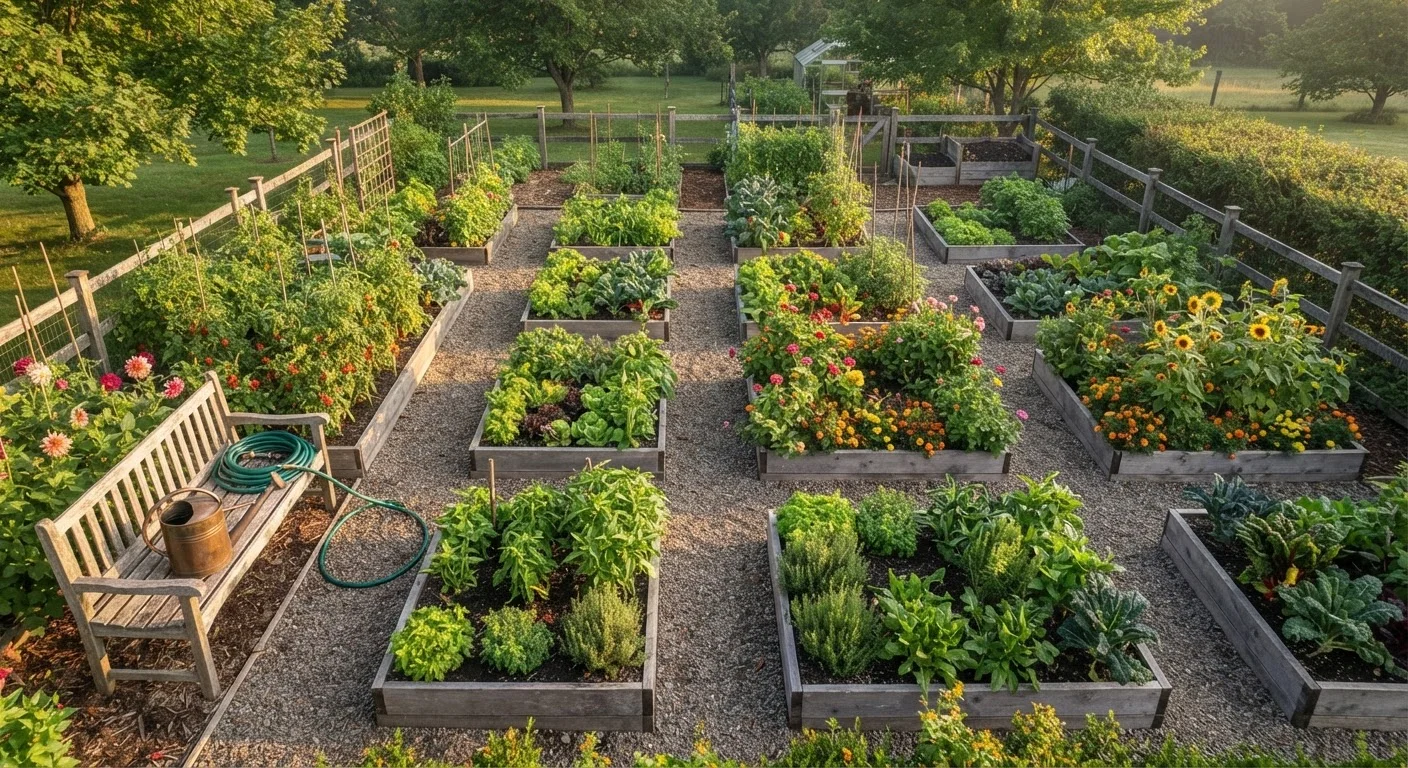
Why One Watering Schedule Doesn't Fit Every Garden
Most watering problems in home gardens come from applying a one-size-fits-all routine. Watering every day sounds attentive, but it can drown shallow-rooted herbs and starve deep-rooted shrubs simultaneously. The right schedule depends on three intersecting factors: what you're growing, what season it is, and where you live.
Soil type also plays a role. Sandy soil drains fast and needs more frequent watering; clay soil holds moisture longer and is easily overwatered. If you're not sure what you're working with, a simple squeeze test - moist soil clumps, dry soil crumbles, waterlogged soil smears - gives you a quick read before you reach for the hose.
For gardeners just getting started, this introduction to building good garden habits covers foundational practices that complement a smart watering approach.
Watering Frequency by Plant Type
Different plant categories have genuinely different water needs. Use the table below as a starting reference, then adjust based on your observations.
| Plant Type | General Frequency | Key Signal |
|---|---|---|
| Annual vegetables (tomatoes, peppers) | Every 1-2 days in heat; every 2-3 days otherwise | Soil dry 1 inch down |
| Perennial flowers | 1-2 times per week once established | Slight wilt in afternoon heat |
| Drought-tolerant plants (lavender, salvia) | Every 10-14 days when established | Soil dry 2-3 inches down |
| Herbs (basil, parsley) | Every 1-2 days in containers; every 2-3 in ground | Top inch of soil dry |
| Lawn grass (cool-season) | 2-3 times per week in summer | Footprints linger after walking |
| Trees and shrubs (established) | Once per week or less | Leaves look dull, not shiny |
Container plants need more attention than their in-ground counterparts because pots dry out faster and have limited soil volume. Container gardening has real advantages and real limits - watering demands are one of the main trade-offs to plan around.
For low-maintenance gardeners, choosing plants naturally suited to less water pays dividends year after year. Resilient plant choices can significantly cut how often you need to water at all.
Adjusting for Season and Climate
Watering needs shift dramatically with the seasons - and with your regional climate zone.
By Season
- Spring: Cool temps and frequent rain mean reduced watering. Focus on newly transplanted seedlings, which need consistent moisture to establish roots.
- Summer: Peak demand. Water deeply and less frequently to encourage deep root growth. Early morning is the best time - it reduces evaporation and prevents fungal disease from overnight moisture.
- Fall: Scale back as temperatures drop. Established plants need significantly less. Continue watering trees and shrubs until the ground freezes.
- Winter: Outdoor watering largely stops in most US regions. Container plants brought indoors need occasional light watering.
By Climate Region
- Humid Southeast and Pacific Northwest: Natural rainfall does much of the work in spring and fall. Focus supplemental watering on dry spells.
- Arid Southwest: Deep, infrequent watering is critical. Drip irrigation conserves water and delivers it where it counts.
- Midwest and Northeast: Summer heat waves require extra attention. Monitor soil daily during heat streaks.
Mulching is one of the most effective ways to reduce watering frequency in any climate. A 2-3 inch layer of organic mulch can cut evaporation significantly and moderate soil temperature. Mulching done right covers depth, material, and timing in detail.
Common Watering Beliefs Worth Questioning
Daily watering is one of the most persistent garden myths - it keeps roots shallow and can promote disease. Evening watering is another: it leaves foliage wet overnight, creating conditions for fungal problems. Common gardening myths examines these and other widely held but flawed practices with evidence-based context.
For a full picture of garden tasks by time of year, the seasonal garden checklist pairs well with a watering schedule review each quarter.